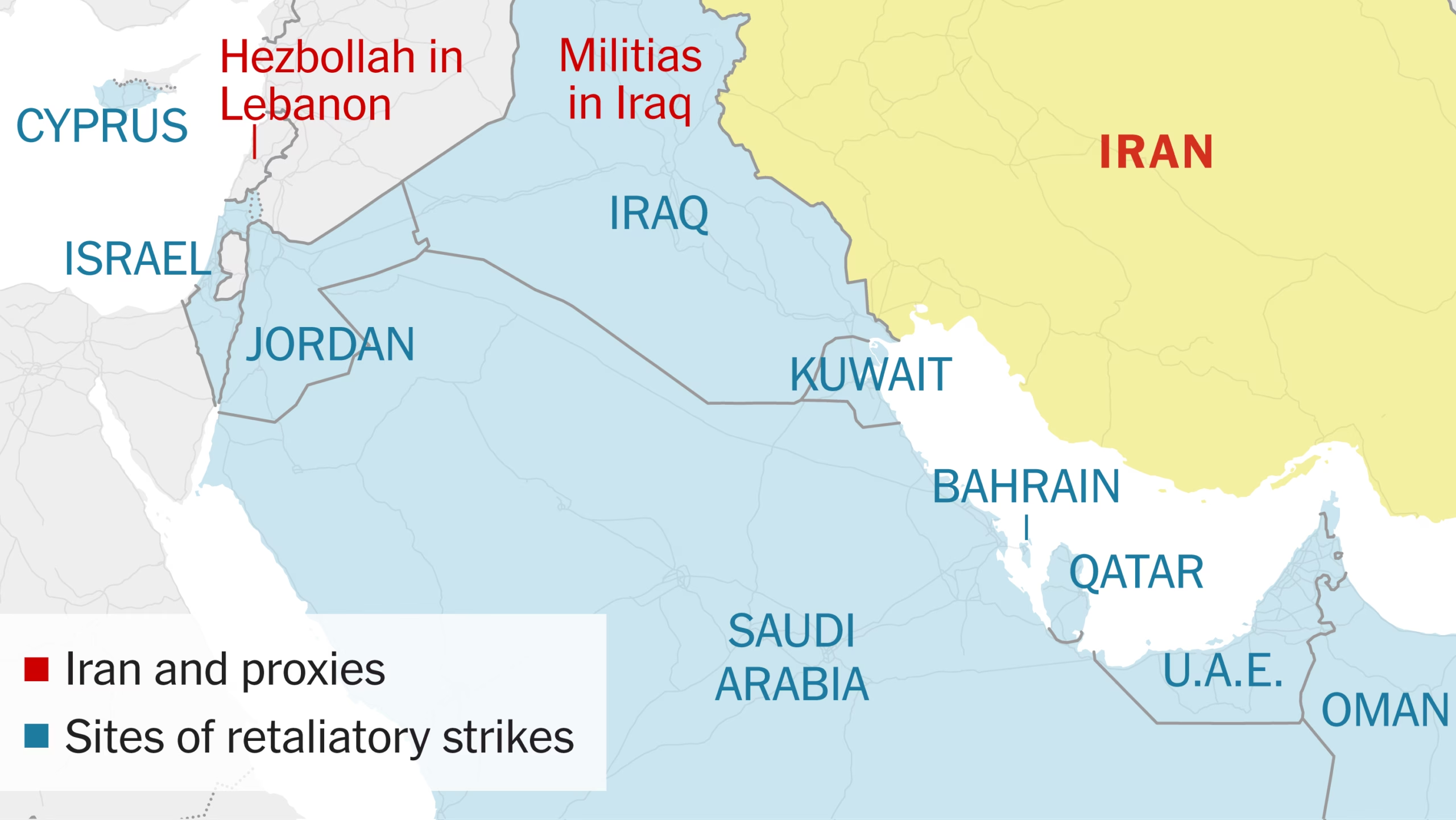
The escalating military confrontation between the United States, Israel, and Iran is widening beyond direct state actors, as Iranian-aligned proxy groups intensify operations across the region. The growing involvement of armed factions in Lebanon and mounting security threats in Saudi Arabia signal that the conflict is no longer confined to a limited battlefield but is rapidly evolving into a broader regional crisis.
Following coordinated strikes by U.S. and Israeli forces on Iranian military infrastructure, Tehran has responded not only through direct missile and drone attacks but also by activating allied groups across the Middle East. In Lebanon, the Iran-backed militant organization Hezbollah has reportedly increased cross-border rocket fire and military positioning along Israel’s northern frontier, raising fears of a second active front.
Israeli defense officials have warned that any sustained escalation from Lebanese territory will prompt decisive retaliation. Air raid sirens have sounded repeatedly in northern Israel, and civilian populations near the border have been advised to seek shelter as tensions intensify.
Meanwhile, Saudi Arabia has heightened security around key infrastructure, including oil facilities and diplomatic sites, after reports of attempted drone incursions. Although Riyadh has not confirmed direct strikes in the latest wave of violence, officials have stated that regional instability poses serious risks to Gulf states. Saudi air defense systems remain on high alert amid concerns that Iranian-aligned groups could target strategic assets.

The expanding conflict underscores Iran’s longstanding regional strategy of leveraging proxy networks to project influence beyond its borders. Analysts note that groups aligned with Tehran operate in multiple countries, including Iraq, Syria, Lebanon, and Yemen, creating a complex web of potential flashpoints.
U.S. President Donald Trump has defended American military actions as necessary to protect U.S. personnel and allies, while Israeli Prime Minister Benjamin Netanyahu has vowed to confront any threat “wherever it emerges.” Iranian officials, in turn, maintain that their response is proportionate and aimed at deterring further aggression.
International observers warn that the involvement of proxy forces increases the unpredictability of the conflict. Unlike direct state-to-state engagements, proxy warfare can escalate through localized skirmishes that quickly spiral into broader confrontations. The risk of miscalculation is heightened as multiple actors operate simultaneously across different borders.
Global markets have reacted nervously, particularly in the energy sector, with oil prices fluctuating amid fears that key shipping lanes and production hubs could be disrupted. Diplomatic efforts are underway behind the scenes, but public rhetoric from all sides suggests limited room for immediate compromise.
As Lebanon and Saudi Arabia find themselves increasingly exposed to the ripple effects of the confrontation, the prospect of a contained conflict appears to be fading. The coming days will be critical in determining whether international mediation can halt the expansion or whether the Middle East faces a deeper and more prolonged war.
Swifteradio.com
