
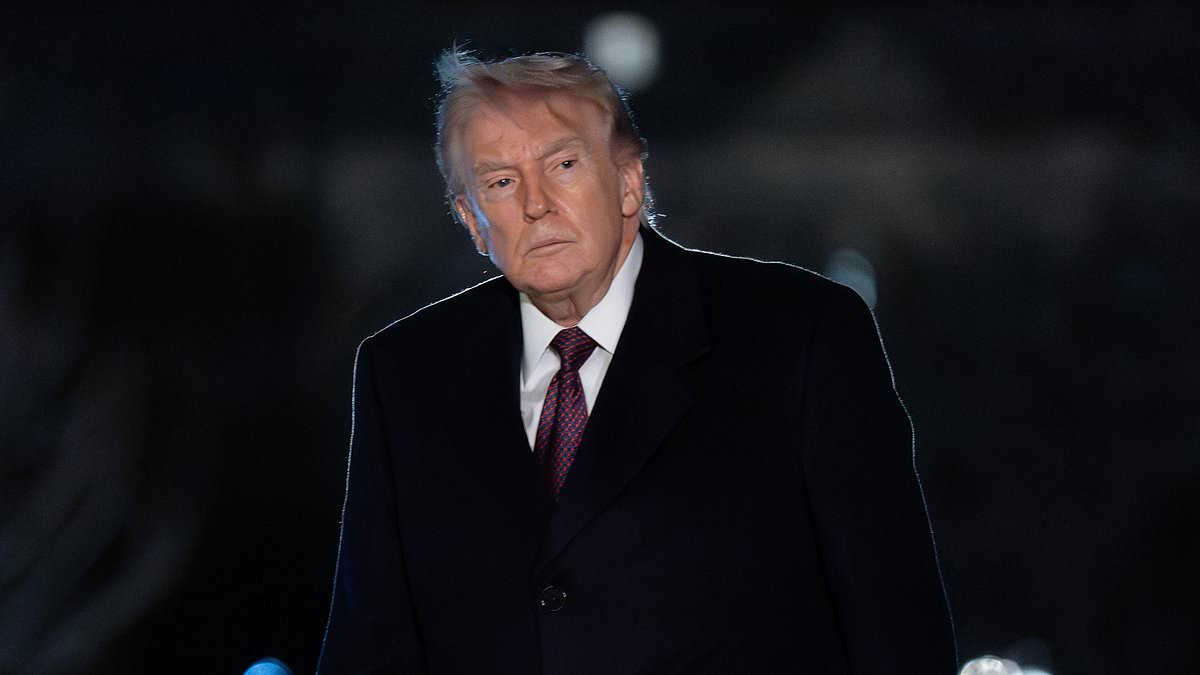
Comments by Donald Trump linking the security of the NATO alliance to reopening the Strait of Hormuz have drawn criticism and concern from European allies, who argue that the military bloc was never designed to support wars initiated by one member.
Trump recently warned that failure to secure the vital shipping route could be “very bad for the future of NATO,” a statement that has raised questions about how the alliance should respond to the escalating conflict involving Iran.
Former UK Chief of the Defence Staff Nick Carter said NATO’s role has historically been defensive, not a mechanism for supporting unilateral military action.
“NATO was created as a defensive alliance,” Carter told the BBC. “It was not designed for one ally to go on a war of choice and then oblige everybody else to follow.”

The tension highlights growing strain between Washington and its European partners since Trump returned to the White House. The U.S. president has repeatedly criticized allies for what he describes as insufficient military contributions and has previously threatened tariffs and political pressure to force greater cooperation.
Officials in Germany were among the most direct in their response. Defence Minister Boris Pistorius dismissed the idea that European naval forces could significantly change the situation in the Gulf.
“What does Trump expect from a handful of European frigates that the powerful U.S. Navy cannot do?” Pistorius said, adding that the war “has nothing to do with NATO.”
Despite the disagreement, Western governments face increasing pressure to address the disruption in the Strait of Hormuz. The strategic waterway carries about one-fifth of the world’s oil shipments from the Persian Gulf to global markets, and its effective blockade by Iran has already sent energy prices higher.
UK Prime Minister Keir Starmer said discussions were underway with the United States, European partners, and Gulf nations to develop a “viable plan” to secure the shipping route. However, he acknowledged that no final decisions have yet been made.
One potential option being discussed involves deploying autonomous mine-hunting systems to detect and neutralize naval mines in the region. The Royal Navy is expected to contribute newly developed unmanned maritime drones capable of clearing mines without putting crews at risk.
But experts warn that large-scale mine-clearing operations at sea are complex and time-consuming. According to Carter, the last major Western operation of this kind occurred after the Gulf War in 1991, when Iraqi forces mined waters off Kuwait. That effort took more than seven weeks to complete.
The challenge goes beyond mines. Iran’s naval capabilities include fast attack boats, armed drones, and shore-based missile systems operated by the Islamic Revolutionary Guard Corps, all of which could threaten shipping in the narrow strait.
European leaders remain cautious about deeper involvement in the conflict. Germany has ruled out sending military forces to secure the waterway, while the European Union is considering whether to expand its existing maritime security mission, Operation Aspides, which was launched in 2024 to protect shipping from Houthi attacks in the Red Sea.
EU foreign policy chief Kaja Kallas said adjusting the mission’s mandate could be the fastest way to increase maritime security, though several member states remain hesitant to expand their role.
Among European leaders, Emmanuel Macron has shown the strongest interest in organizing a coalition to escort merchant vessels through the strait. However, French officials say such a plan would likely only be considered once the most intense phase of the conflict subsides.
Military analysts warn that escort operations in the Strait of Hormuz would be far more complex than current missions in the Red Sea. Former Royal Navy commander Tom Sharpe noted that ships could face simultaneous threats from air, surface, and underwater attacks.
For now, many of Washington’s allies remain cautious, balancing pressure from the United States with concerns about becoming directly involved in a widening regional war.
