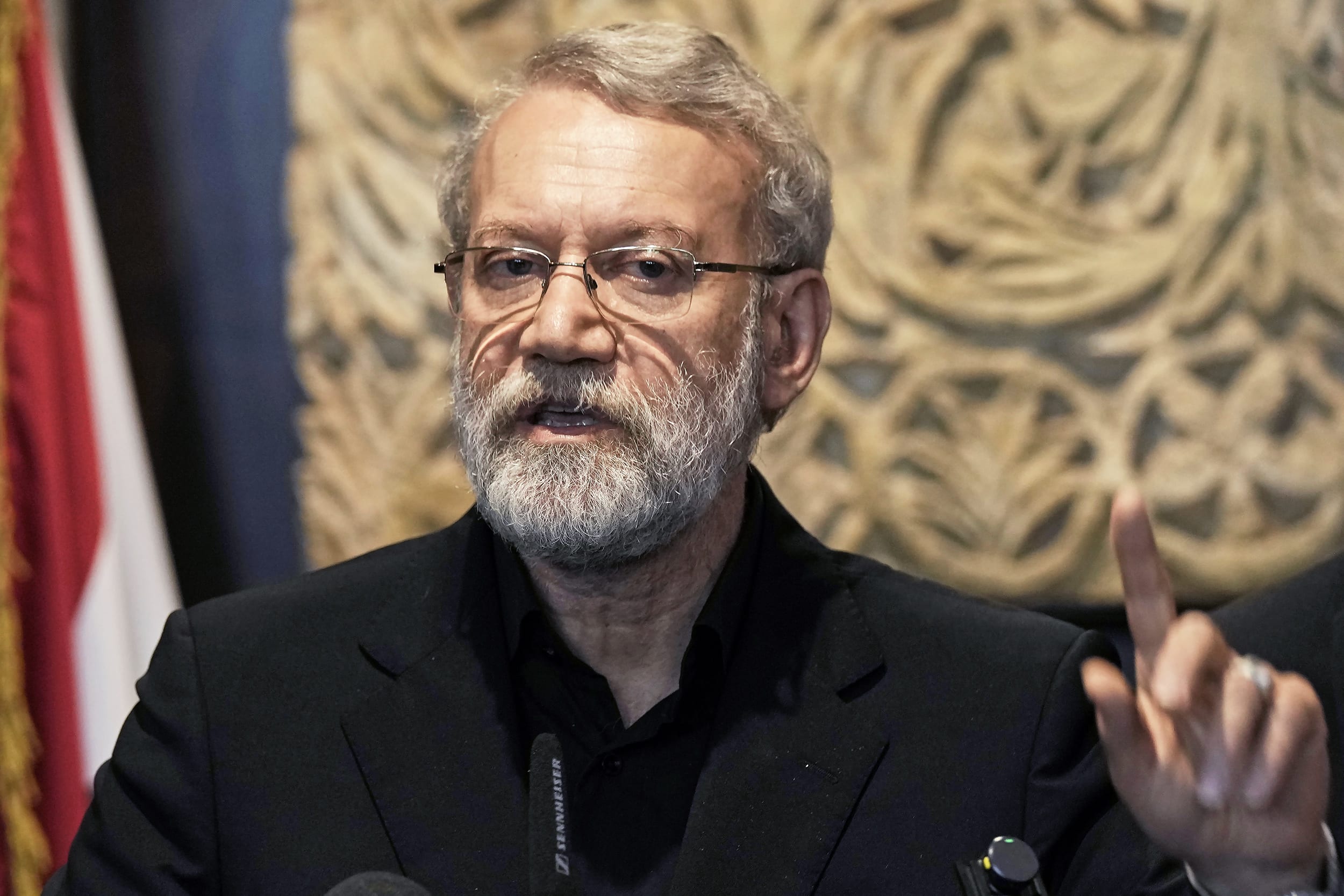
Senior Iranian figures Ali Larijani and Gholamreza Soleimani have been killed, according to Iranian state media, in what Israel describes as one of the most significant strikes of the ongoing war aimed at dismantling Iran’s leadership.
The killings mark a major escalation in the conflict, following the earlier reported death of Iran’s Supreme Leader Ali Khamenei at the outset of hostilities on February 28.
Israeli officials say the targeted strikes are part of a broader strategy to weaken and ultimately destabilize Iran’s ruling structure. Defence Minister Israel Katz indicated that operations are focused on eliminating key figures within the regime, while Prime Minister Benjamin Netanyahu described Larijani as a central figure in Iran’s leadership, accusing him of overseeing repressive governance.
Israel’s military also linked Soleimani’s killing to his alleged role in suppressing anti-government protests earlier this year, framing the strike as part of an effort to undermine internal control mechanisms within Iran.

Israeli leadership has openly stated that the broader objective is to create conditions for political change within Iran. Netanyahu said sustained pressure could give Iranian citizens an opportunity to challenge and potentially overthrow the current regime.
Meanwhile, regional tensions intensified further as explosions were reported near the United States embassy in Baghdad, within the heavily fortified Green Zone. The incidents underscore the widening نطاق of the conflict, which is increasingly affecting multiple countries across the Middle East.
The developments highlight a rapidly escalating geopolitical crisis, with fears growing that continued high-profile assassinations and cross-border attacks could trigger a wider regional war.
