
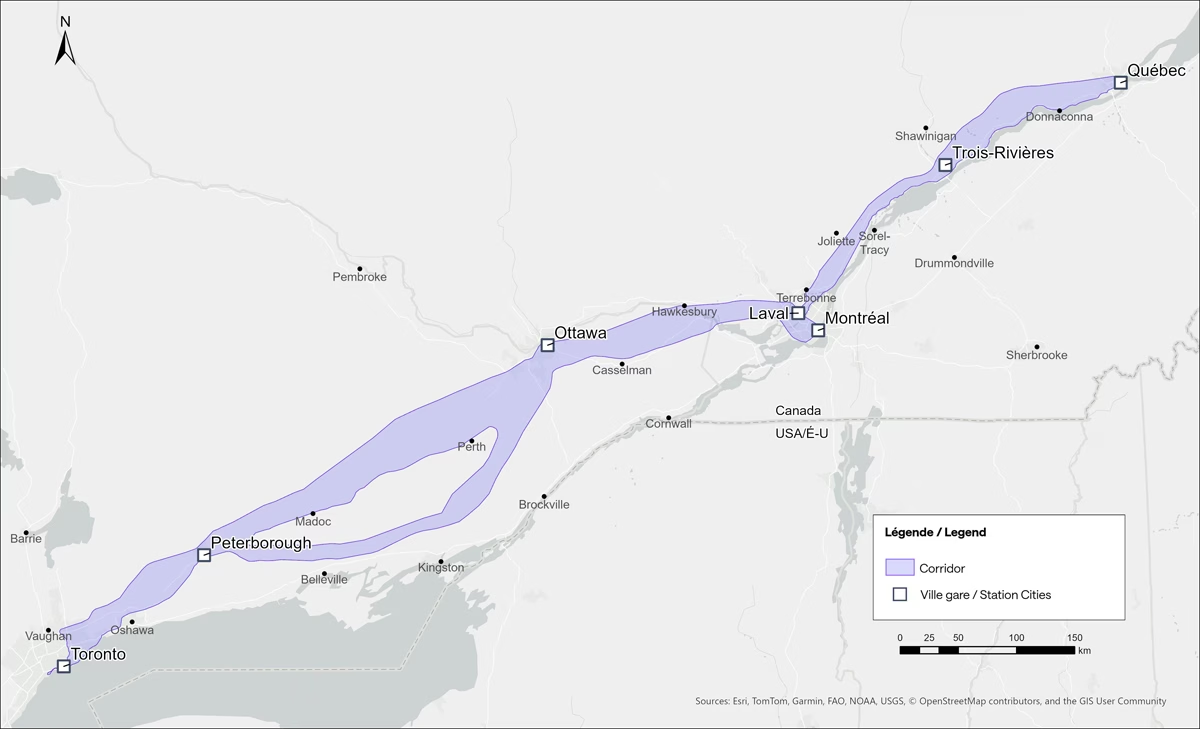
A proposed high-speed rail line linking Toronto and Quebec City is facing growing opposition from rural communities in Ontario and Quebec, with residents warning the massive infrastructure project could divide towns, force widespread land expropriations and deliver few local benefits while costing taxpayers billions.
A grassroots coalition made up of farmers, small-town residents and municipal councillors says the planned corridor would cut through farmland and rural road networks, creating barriers for commuters and emergency services. Caroline Stephenson, a resident of Madoc, Ontario, said the 1,000-kilometre walled-off track could block country roads and create longer, bottleneck-prone routes for daily travel and first responders.
In Quebec, protests have intensified. Stéphane Alary, a regional president of the province’s farmers union, joined a tractor demonstration in Mirabel north of Montreal last week, calling the project a “catastrophe” for agricultural communities that depend on continuous access to their land.
The Crown corporation overseeing the project is currently evaluating two potential corridors through eastern Ontario. One option would follow a direct route between Ottawa and Peterborough, while the second would take a more southerly arc between the two cities. Both alignments have raised concerns among landowners who fear property seizures and long-term disruption to rural life.

Construction of the first phase of the dedicated rail line is expected to begin in 2029 or 2030, initially connecting Montreal and Ottawa. Federal planners view the segment as a test case for a broader high-speed rail network designed to transform intercity travel across Canada’s most densely populated corridor.
Opponents argue that while the project promises faster connections between major urban centres, rural communities along the route would bear the heaviest costs without seeing meaningful economic or transportation benefits. As consultations continue, pressure is mounting on federal and provincial authorities to reconsider routing options or provide stronger guarantees for affected landowners.
