
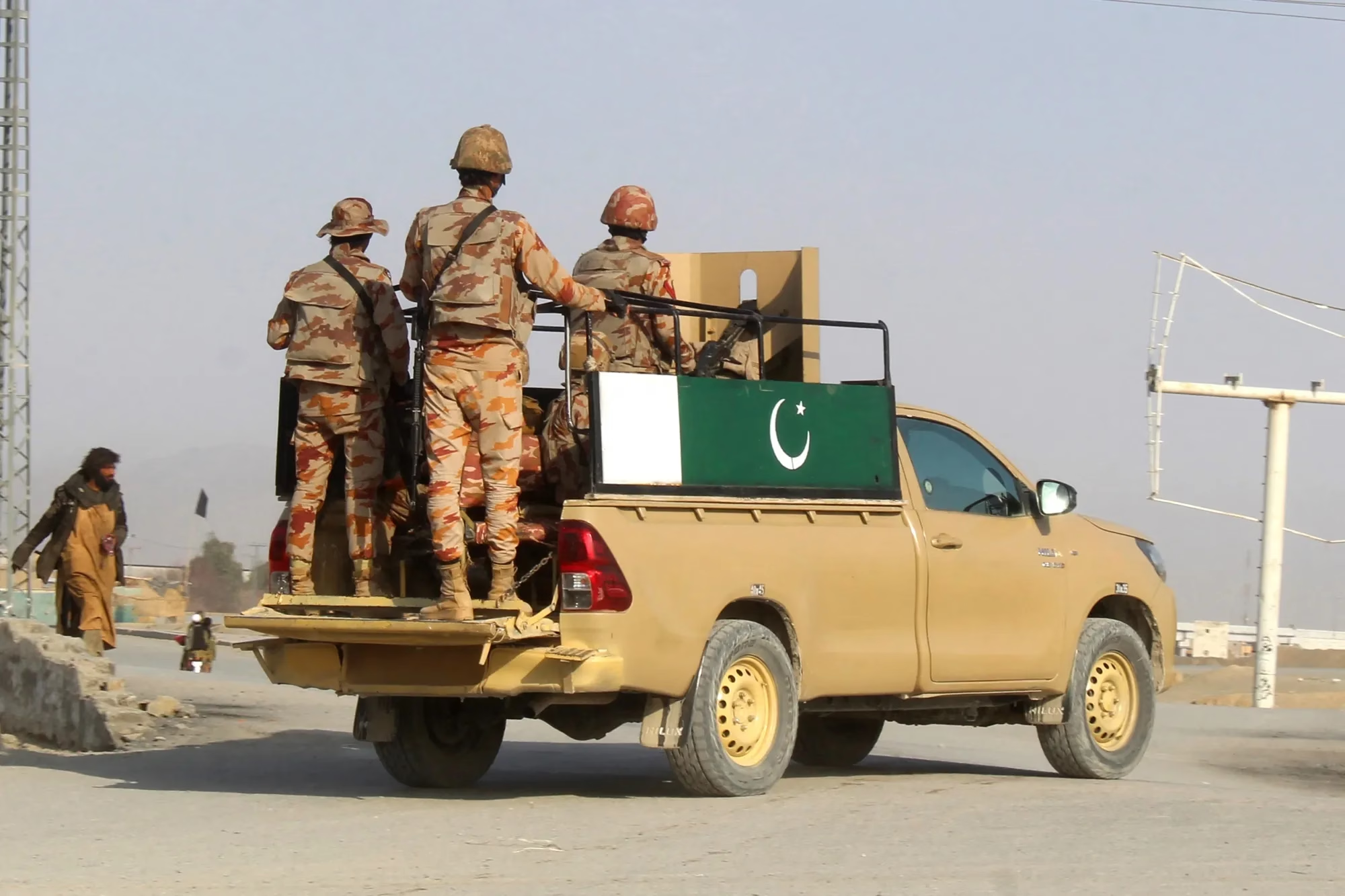
Tensions between Pakistan and neighboring Afghanistan have sharply escalated after Pakistan’s defense minister declared that the situation between the two countries has reached the level of “open war.” The statement follows a series of recent cross-border military strikes and growing accusations from both sides, raising fears of a broader regional conflict.
Pakistan’s defense leadership made the remarks amid intensifying military operations along the volatile frontier that separates the two nations. Officials in Islamabad argue that recent strikes were necessary to target armed groups they claim are operating from Afghan territory and launching attacks inside Pakistan. According to Pakistani authorities, these armed factions have been responsible for increasing violence, particularly in border provinces, prompting decisive military action to protect national security.
Afghanistan’s ruling authorities, however, have strongly condemned the strikes, describing them as violations of Afghan sovereignty. Afghan officials insist that Pakistan’s military operations have endangered civilians and destabilized already fragile border communities. They have warned that continued aggression could provoke retaliation and further escalate hostilities between the two countries.
The worsening dispute highlights the long-standing mistrust between Islamabad and Kabul, fueled by accusations over militant safe havens, border enforcement, and security responsibilities. The border region, often referred to as the Durand Line, has historically been a flashpoint, with militant groups exploiting difficult terrain and weak governance to carry out attacks and evade capture.

Security analysts warn that the defense minister’s “open war” characterization signals a significant shift in tone, suggesting the conflict could intensify if diplomatic solutions are not urgently pursued. While both countries have experienced periodic clashes in the past, the current rhetoric raises concerns that military engagement could expand beyond limited strikes into sustained confrontation.
The situation also carries wider geopolitical implications. Both Pakistan and Afghanistan occupy strategic positions in South Asia, and any prolonged conflict could destabilize trade routes, worsen humanitarian conditions, and complicate regional security efforts. Neighboring countries and international organizations have previously urged both governments to resolve disputes through dialogue to prevent further escalation.
Humanitarian groups are particularly concerned about civilians living near the border, who often bear the brunt of military confrontations. Cross-border shelling and airstrikes can displace families, disrupt livelihoods, and strain already limited access to food, healthcare, and essential services.
Diplomatic observers note that tensions have risen steadily over the past year, with repeated accusations, retaliatory actions, and failed negotiations contributing to the current crisis. Calls for restraint have intensified, with analysts emphasizing that continued military escalation could trigger unpredictable consequences for both nations and the wider region.
As the situation develops, the international community is closely monitoring events, urging restraint and renewed diplomatic engagement. Whether the crisis will escalate into prolonged military conflict or return to negotiation remains uncertain, but the defense minister’s declaration underscores the seriousness of the current standoff.
Swifteradio.com
