
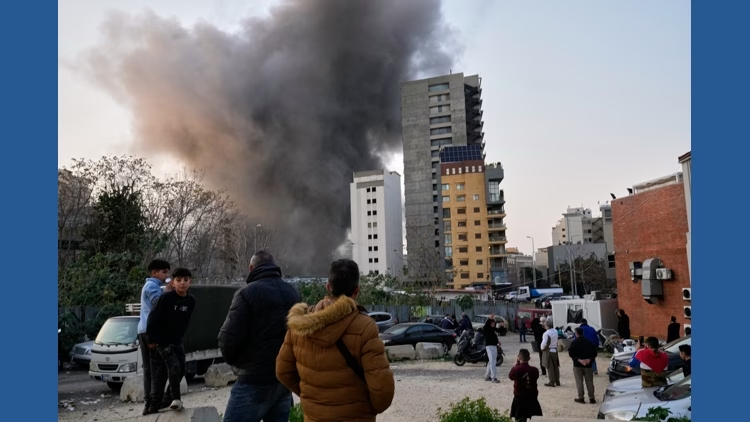
Oil prices climbed again on global markets as Iran intensified attacks on shipping traffic and energy infrastructure across the Middle East, raising fears of prolonged disruption to global energy supplies.
The escalation comes amid an ongoing conflict involving Iran, the United States, and Israel that has increasingly targeted maritime routes and oil facilities throughout the Persian Gulf region. Analysts say the attacks are contributing to heightened volatility in global energy markets and renewed concerns about supply shortages.
Oil Prices Surge Above $100
Global crude oil benchmarks rose sharply, with prices climbing back above $100 per barrel as traders reacted to the latest developments in the region. Energy markets have been particularly sensitive to the conflict because the Middle East remains one of the world’s most important oil-producing regions.

Market analysts say the surge reflects growing fears that shipping disruptions could significantly reduce the flow of crude oil to international markets.
The conflict has already triggered large fluctuations in energy prices, with crude oil rising more than 25 percent since the hostilities began earlier this year.
Attacks Target Shipping and Energy Facilities
Iranian forces and allied groups have reportedly targeted oil tankers, energy infrastructure, and maritime routes across the Persian Gulf and nearby regions.
Several attacks have damaged or disrupted vessels carrying oil and other energy supplies, while some Gulf nations have temporarily halted operations at certain energy facilities as a precaution.
These incidents have increased security concerns for commercial shipping companies and insurance providers, many of whom are reassessing whether vessels should continue traveling through the region.
Strait of Hormuz at the Center of the Crisis
Much of the tension is centered around the Strait of Hormuz, a narrow but crucial shipping route through which about 20 percent of the world’s oil supply normally passes.
Attacks and threats in the area have significantly reduced maritime traffic, with many ships choosing to remain anchored outside the strait due to security risks.
Any prolonged disruption in this corridor could have major consequences for global energy markets, as countries in the Gulf rely heavily on the passage to export crude oil and liquefied natural gas.
Global Economic Concerns Grow
Rising oil prices have sparked concern among governments and economists who warn that sustained increases could drive inflation and raise fuel costs worldwide.
Energy analysts say continued instability in the Middle East could push oil prices even higher if shipping routes remain unsafe or if additional infrastructure is targeted.
Some forecasts suggest that further escalation could lead to one of the most significant energy supply disruptions in decades.
Uncertain Outlook for Energy Markets
With tensions continuing to escalate, global markets remain highly sensitive to developments in the conflict.
Governments and international organizations are closely monitoring the situation as they weigh potential measures to stabilize energy supplies and prevent further disruptions to global trade.
For now, traders say the direction of oil prices will largely depend on whether attacks on shipping and energy facilities continue or whether diplomatic efforts can help ease tensions in the region.
Swifteradio.com
