
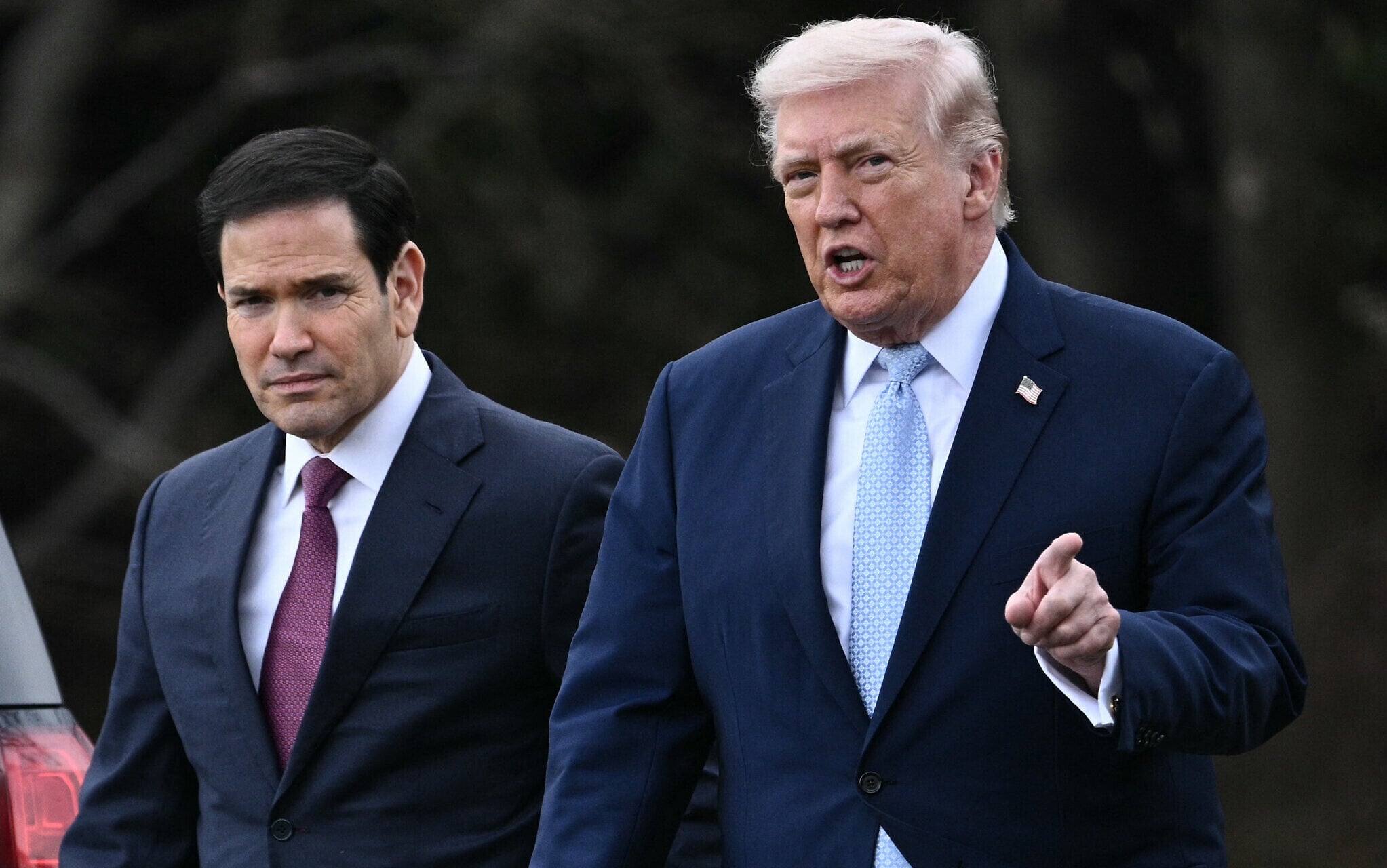
Tensions in the Middle East have escalated sharply as Iran launched fresh waves of missile and drone attacks targeting Israel and several Gulf Arab states, even as U.S. President Donald Trump claims Washington is engaged in talks aimed at ending the conflict.
The developments highlight the growing complexity of the war, where active military escalation is unfolding alongside uncertain diplomatic efforts.
Renewed Attacks Across the Region
Iran’s latest offensive included coordinated strikes on Israeli territory and neighboring Gulf countries, raising fears of a wider regional war. Air defense systems in multiple countries were activated as missiles and drones were intercepted, while some infrastructure disruptions were reported.

The escalation has extended the battlefield beyond traditional frontlines, with Gulf states increasingly drawn into the conflict due to their strategic alliances and hosting of U.S. military assets.
Israel Responds with Counterstrikes
In response, Israel carried out strikes on Iranian-linked targets, including sites in Lebanon, signaling its intent to counter Tehran’s regional influence.
The exchange of attacks has intensified an already volatile situation, with both sides showing little sign of backing down.
Trump Announces Diplomatic Efforts
Amid the rising violence, Donald Trump stated that the United States is actively engaged in discussions to bring the war to an end.
According to the administration, the talks are aimed at achieving a broader resolution rather than a temporary ceasefire, with Washington reportedly delaying certain military actions to allow room for diplomacy.
However, Iranian officials have denied that any direct negotiations are taking place, casting doubt on the progress of these efforts and highlighting the deep mistrust between the parties.
Regional Impact and Rising Stakes
The conflict has already begun to disrupt critical infrastructure and energy supplies across the region.
Missile and drone attacks have led to power outages and heightened security alerts in Gulf nations, while global markets remain sensitive to developments, particularly around key oil shipping routes.
The strategic importance of waterways like the Strait of Hormuz continues to amplify global concerns, as any prolonged disruption could have far-reaching economic consequences.
International Concern Grows
World leaders and international organizations are increasingly calling for de-escalation, warning that continued hostilities could spiral into a broader regional or even global crisis.
Efforts by intermediary countries to facilitate indirect communication between the U.S. and Iran are ongoing, though significant gaps remain between both sides’ demands.
Uncertain Path Forward
Despite diplomatic signals from Washington, the continued exchange of strikes suggests that a resolution remains distant.
With both military and political stakes rising, the coming days are expected to be critical in determining whether negotiations can gain traction or if the conflict will deepen further.
Conclusion
The simultaneous escalation of attacks and pursuit of diplomacy underscores the fragile and unpredictable nature of the current crisis.
As Iran and Israel continue to trade strikes, and the United States pushes for talks, the region remains on edge, with the potential for significant global repercussions.
Swifteradio.com
