
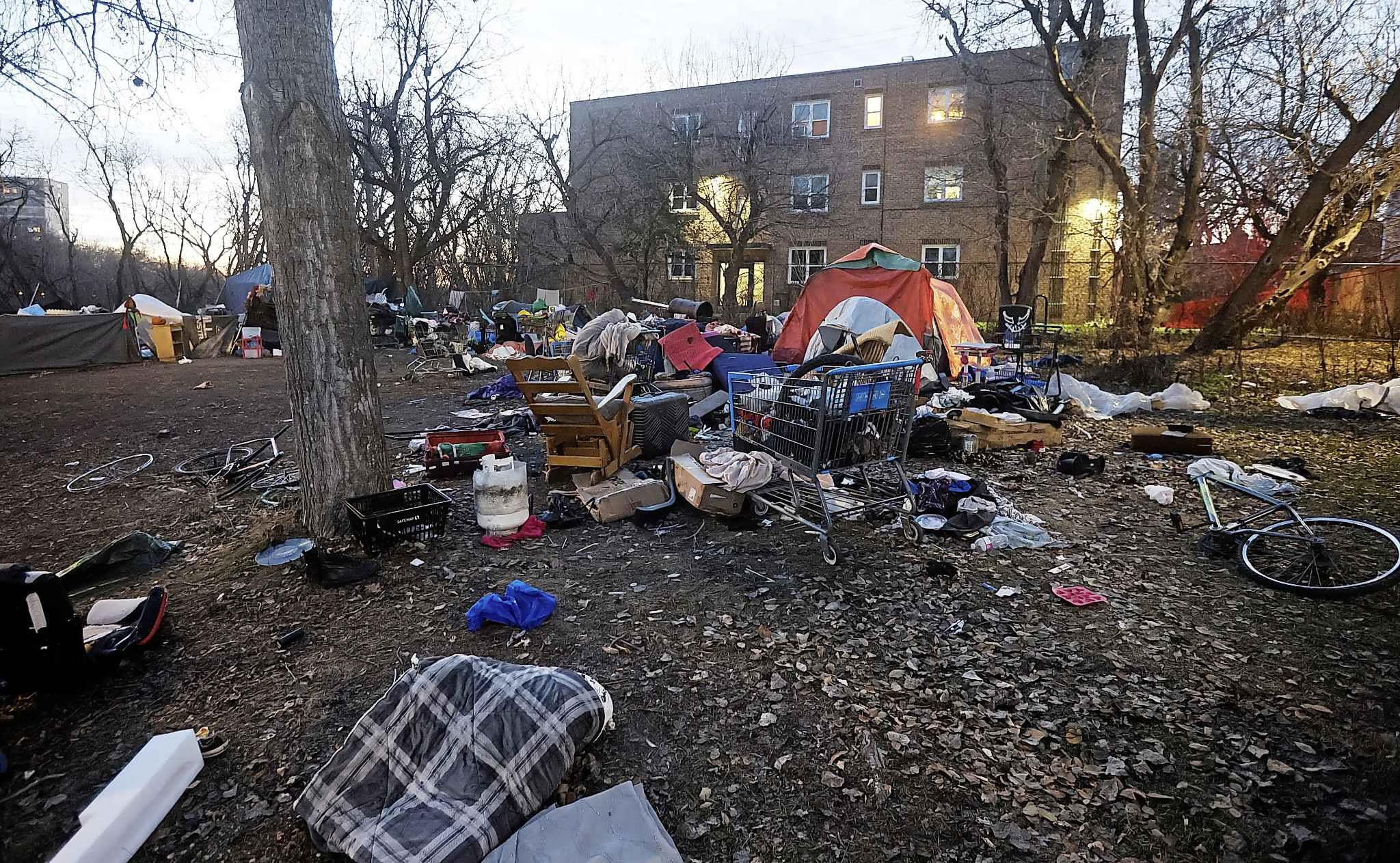
The City of Winnipeg says it has cleared 17 homeless encampments since the implementation of new enforcement rules aimed at addressing public safety and sanitation concerns across the municipality.
City officials confirmed that the removals took place after updated protocols came into effect, allowing authorities to respond more quickly to temporary shelter sites deemed unsafe or in violation of municipal bylaws. The revised rules outline clearer timelines for notice periods, health assessments, and coordinated outreach efforts before encampments are dismantled.
According to the city, the policy changes were introduced to balance compassion with public safety. Officials say outreach workers are deployed alongside enforcement teams to connect individuals living in encampments with available shelter spaces, social services, and housing support programs.
Municipal leaders have emphasized that the approach is intended to prioritize safety risks, including fire hazards, environmental contamination, and proximity to schools, residential neighborhoods, or critical infrastructure. City representatives argue that unmanaged encampments can pose risks not only to residents but also to the broader community.

Advocacy groups, however, have expressed concern about the pace of removals, arguing that clearing encampments without sufficient long-term housing solutions may displace vulnerable individuals without addressing root causes of homelessness. They continue to call for expanded shelter capacity, supportive housing investments, and mental health resources.
The city maintains that it is working to expand housing initiatives and strengthen partnerships with provincial and community organizations. Officials note that Winnipeg, like many Canadian cities, has seen an increase in homelessness driven by rising housing costs, inflation, and gaps in social services.
Data released by the municipality indicates that enforcement efforts are ongoing, with additional encampments under review. City staff have reiterated that each situation is assessed individually, with attention given to health conditions, weather risks, and available alternatives before action is taken.
The debate reflects broader national discussions about how municipalities should respond to visible homelessness while safeguarding public spaces. As Winnipeg continues implementing its updated rules, policymakers and community leaders are closely monitoring both the immediate impact and long-term outcomes of the strategy.
Swifteradio.com
