
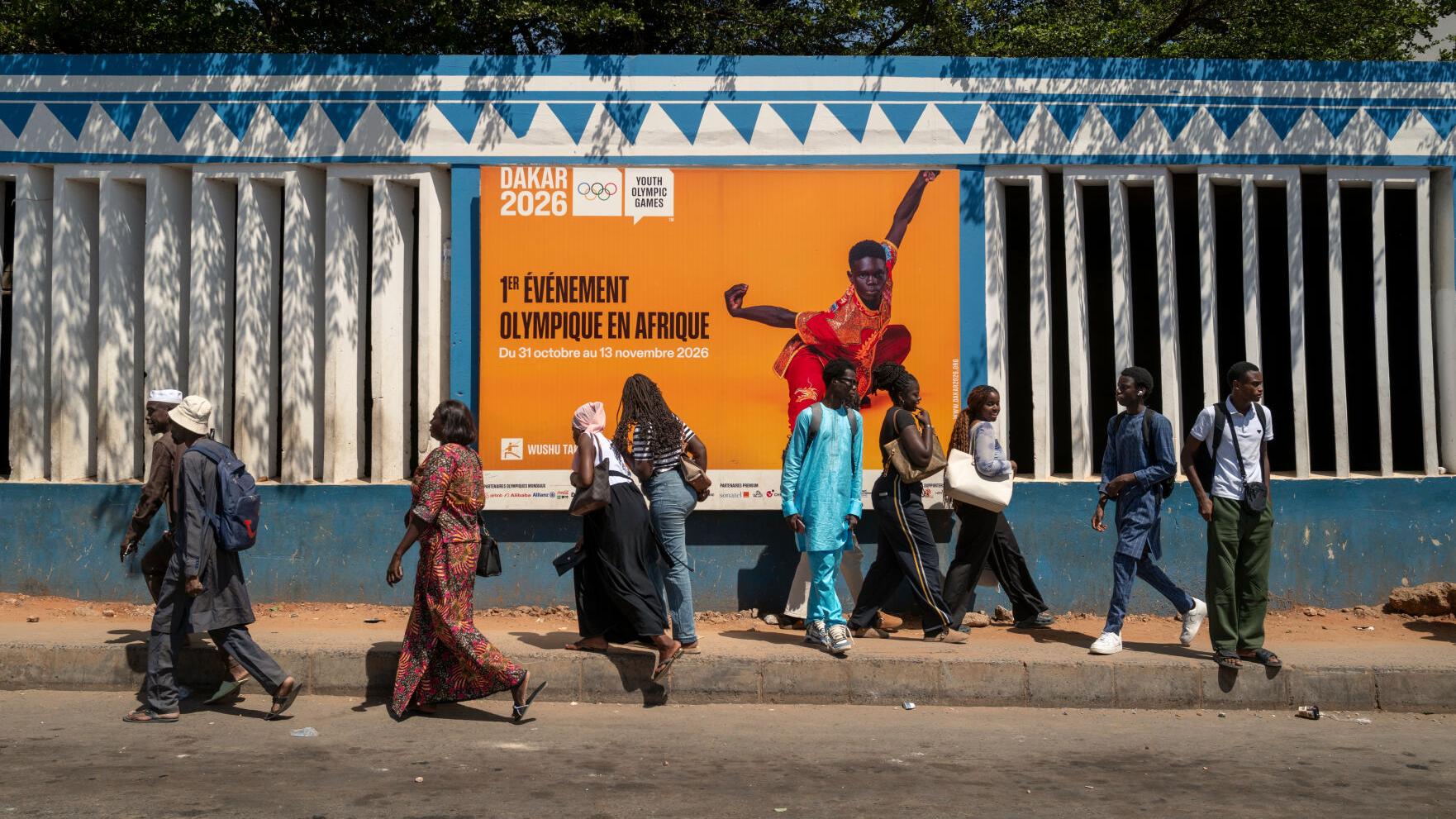
DAKAR, Senegal — Senegal is making history as the first African country to host an Olympic sporting event, welcoming thousands of young athletes for the 2026 Youth Olympic Games. However, the international sporting celebration is taking place against a backdrop of rising living costs, unemployment and growing concerns about the country’s economic difficulties.
The Dakar 2026 Youth Olympic Games officially opened on October 31, bringing together approximately 2,700 athletes aged 14 to 17 from around the world. Competitions are taking place in Dakar, Diamniadio and Saly and will continue until November 13.
Although the event represents a major milestone for African sports, many Senegalese residents say their immediate concerns are finding employment, paying household expenses and managing increasingly expensive food, electricity and other essentials.

Historic Olympic Milestone for Africa
The Youth Olympic Games are a smaller version of the traditional Olympic Games, designed for young athletes aged 14 to 17.
Dakar 2026 marks the first time an Olympic sporting event has been staged on African soil. The competition features 25 sports and brings together participants representing 204 National Olympic Committees, alongside the Youth Refugee Olympic Team.
The opening ceremony at Stade Abdoulaye Wade in Diamniadio celebrated Senegalese culture, African creativity and the Olympic spirit. More than 1,100 performers participated in the ceremony, which included traditional music, dance and artistic presentations.
Senegalese President Bassirou Diomaye Faye officially declared the Games open, while International Olympic Committee President Kirsty Coventry described the occasion as a significant moment for Africa and the Olympic movement.
Organizers hope the event will strengthen Africa’s position in international sports and create opportunities for young people through volunteering, training and business activities.
Rising Living Costs Overshadow Sporting Celebration
Despite the excitement surrounding the Games, many residents of Dakar say the event has done little to address the economic pressures affecting their daily lives.
Paulina Netinan Nodjibougada, a 26-year-old accounting student, said she was struggling to find employment while helping her family cope with increasing expenses.
She acknowledged the historical importance of hosting the Youth Olympics but questioned whether the government was paying sufficient attention to the difficulties facing young people.
Her concerns reflect a wider problem in Senegal, where approximately 75 per cent of the population is younger than 35. Youth unemployment stands at around 23 per cent, while most employed people work in the informal sector.
Momar Assane Diouf, a 33-year-old entrepreneur involved in a citizens’ campaign for fair prices, said rising expenses for electricity, food and school supplies had forced him to take on several jobs to support his family.
He noted that the price of meat had increased from approximately 3,000 CFA francs to 5,500 CFA francs per kilogram in just a few months.
The rising cost of essential goods has intensified public frustration, particularly among households already struggling with limited incomes.
Government Faces Questions Over Olympic Spending
The financial commitment required to organize the Games has become another subject of public debate.
The Senegalese government has committed approximately 36 billion CFA francs ($60 million) to organizing the event, including 11.3 billion CFA francs for renovations to sports facilities.
A separate contribution of 500 million CFA francs, announced through a foundation associated with the president’s wife to purchase tickets for disadvantaged young people, also attracted questions about the source of the money and its intended use.
Authorities subsequently said the contribution came from private donors rather than the state budget. However, critics have continued requesting greater transparency about the contributors.
The debate is taking place as Senegal struggles with a substantial public debt burden. An audit uncovered previously underreported government borrowing, complicating the country’s efforts to secure financial support and respond to household economic pressures.
The government has also increased gasoline and diesel prices, citing the cost of covering higher international oil prices.
Local Businesses Report Disruptions
Preparations for the Youth Olympic Games have also affected some residents and small businesses.
In Dakar’s Medina neighborhood, shoemakers were relocated from a busy market near the Iba Mar Diop Stadium to an unfinished school building to accommodate preparations for the competition.
Mamadou Wadji, who leads a shoemakers’ cooperative, said business had suffered because customers found it difficult to locate the new premises.
He also expressed frustration that a promised leatherworking centre was not ready before the relocation.
Other residents have complained about road closures, reserved traffic lanes and changes to public spaces around competition venues.
Although some infrastructure improvements have benefited parts of Dakar, the disruptions have created additional challenges for people whose livelihoods depend on accessible markets and busy commercial areas.
Senegal Hopes to Secure a Lasting Olympic Legacy
President Bassirou Diomaye Faye and Olympic officials have defended the Games, pointing to infrastructure improvements, contracts awarded to Senegalese businesses and opportunities for young people.
International partners and the International Olympic Committee are also contributing to the event’s financing and organization.
For Senegal, the challenge will be ensuring that the benefits extend beyond the two weeks of competition.
The Games provide an opportunity to showcase African sporting talent, strengthen international partnerships and demonstrate Senegal’s ability to organize major global events.
However, residents facing unemployment and rising household expenses are also looking for lasting improvements in their economic circumstances.
As competitions continue until November 13, the success of Dakar 2026 will be measured not only by its sporting achievements but also by the opportunities and long-term benefits it leaves for Senegalese communities.
Swifteradio.com


