
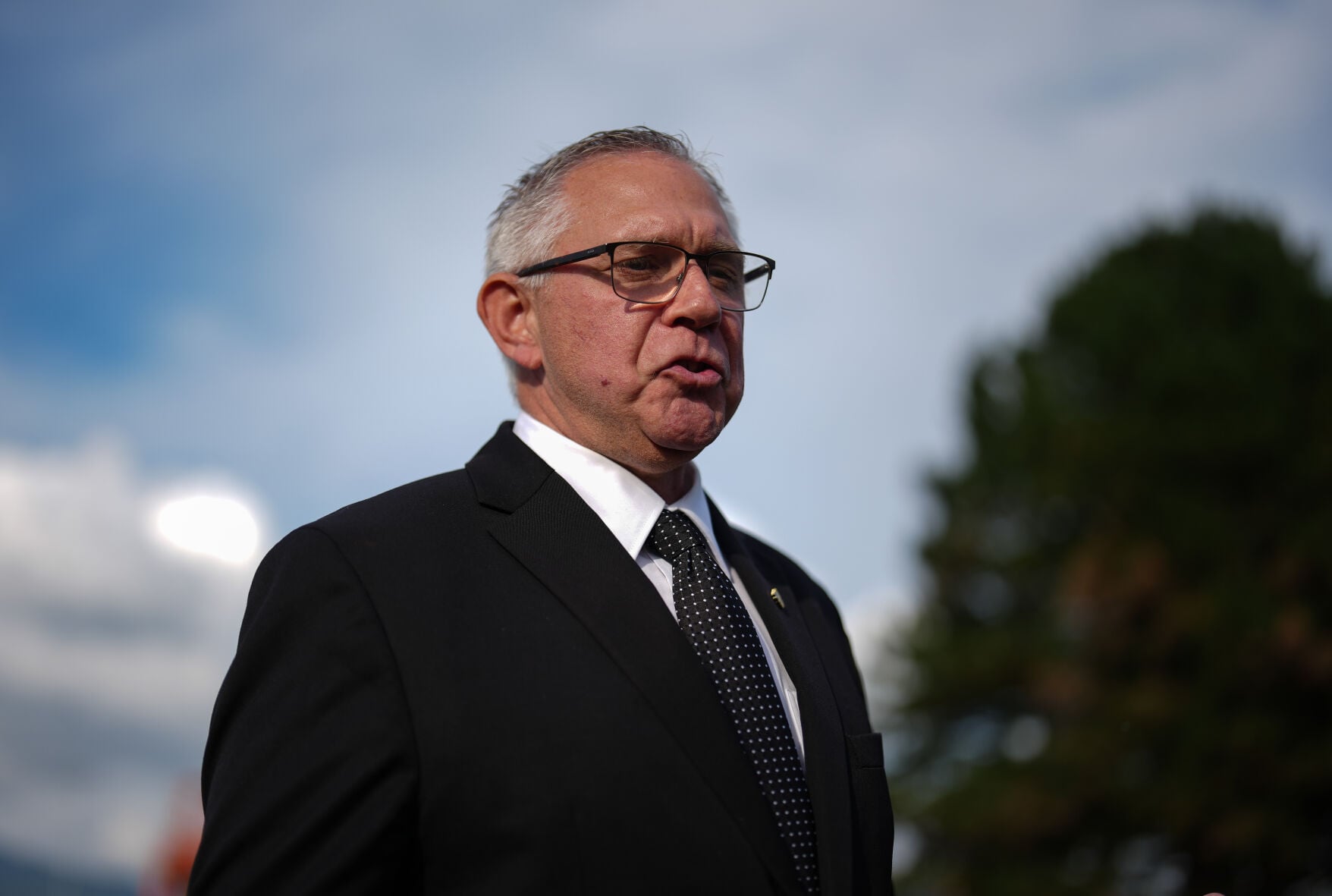
A former British Columbia Conservative candidate is urging party members who have concerns about Lorne Doerkson’s leadership to set those differences aside and support the interim leader if the Conservatives win the province’s upcoming election.
Tim Thielmann, a lawyer and former research director for the B.C. Conservatives, made the appeal as the party works to address questions over whether Doerkson would remain leader if the party forms government after the Oct. 24, 2026, provincial election.
Thielmann said members who are unhappy with the party’s leadership arrangements should “plug” their noses, allow the Conservatives to govern if they win, and use the following four years to build an alternative political organization if they believe one is needed.
The comments come after the B.C. Conservative Party board said it would pursue the appropriate measures under the party’s constitution to ensure that Doerkson could continue as leader if he becomes premier. The party has argued that a premier chosen by voters should have certainty about leading the party.

The issue stems from the party’s rules, which prevent an interim leader from automatically becoming permanent leader. Any amendment to those rules would require the support of two-thirds of members present at an annual or special general meeting.
Thielmann said he expects such a constitutional change would likely receive the required support if the Conservatives win the election. The governing B.C. NDP, however, has described the arrangement as a political gamble.
Thielmann previously co-founded OneBC, a political group positioned as a potential alternative on the right of the political spectrum. He has since separated from OneBC interim leader Dallas Brodie, who was expelled from the B.C. Conservative caucus last year.
The leadership controversy comes as the B.C. Conservatives attempt to maintain unity ahead of the provincial election. The party is also dealing with the departure of its former leader, John Rustad, who has announced that he will not seek re-election in his northern B.C. riding.
The debate over Doerkson’s future highlights the internal challenges facing the party as it prepares for a major provincial contest. The outcome of the election will determine the composition of the next B.C. government and could also shape the future direction of the Conservative movement in the province.
Swifteradio.com
