
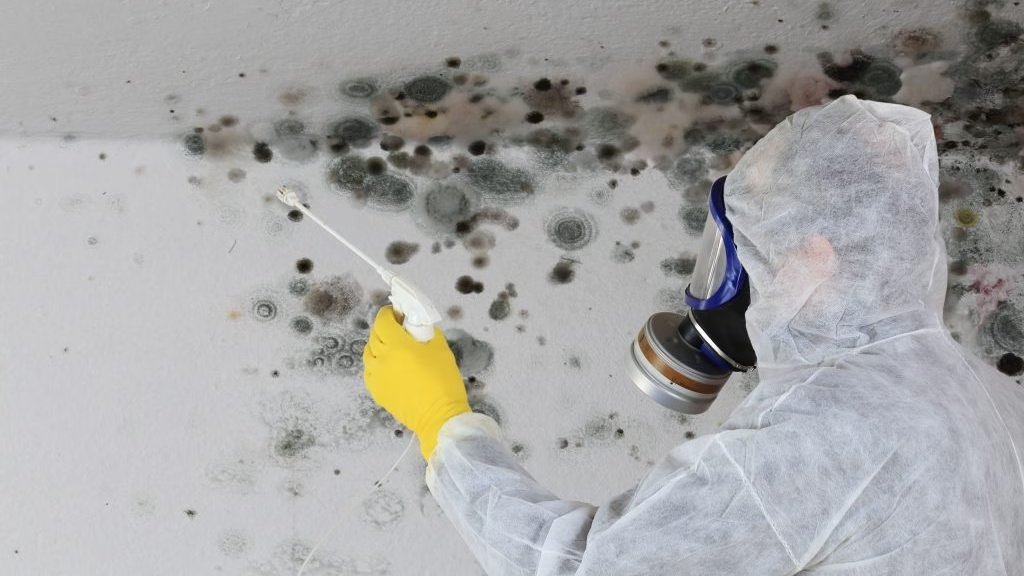
Thousands of residents remain unable to return to their homes in a First Nation community in Manitoba due to serious health risks linked to mould and asbestos following a prolonged infrastructure outage. Community leaders and emergency officials say environmental hazards discovered in homes and public buildings have delayed repopulation efforts and raised urgent concerns about long-term housing safety.
The crisis began after a major outage disrupted essential services, forcing widespread evacuations to protect residents from unsafe living conditions. While power and other services have since been restored in some areas, inspections revealed extensive mould growth caused by moisture buildup, as well as the presence of asbestos in older structures. Both substances pose significant health risks, including respiratory problems and long-term illness if exposure is prolonged.
Health and safety teams have been conducting detailed assessments of homes, schools, and community facilities to determine which buildings can be safely reoccupied. Officials say remediation work, including mould removal and asbestos containment or removal, must be completed before families can return. This process is expected to take weeks or months, depending on the severity of damage.
Community leaders have expressed frustration over the delays, noting that displaced residents are currently living in temporary accommodations, including hotels and evacuation centers. Many families face emotional stress, disruption to education, and uncertainty about when they will be able to return home permanently.

Provincial and federal authorities have pledged support for cleanup and rebuilding efforts, including funding for environmental remediation and housing repairs. Emergency response teams are working alongside First Nation leadership to ensure that repairs meet safety standards and that residents are not exposed to harmful materials.
Experts say mould and asbestos are particularly dangerous when buildings remain unoccupied for extended periods, as ventilation is reduced and moisture can accumulate. Older infrastructure in remote communities is often more vulnerable to these problems, highlighting the need for long-term investment in housing and infrastructure upgrades.
Advocates have called for faster action and sustained government support to ensure safe housing conditions and prevent similar crises in the future. They argue that infrastructure resilience is essential to protecting the health and well-being of Indigenous communities.
Authorities say restoring safe living conditions remains the top priority. Until environmental hazards are fully addressed, thousands of residents will remain displaced, underscoring the ongoing impact of infrastructure failures on vulnerable communities.
Swifteradio.com
