
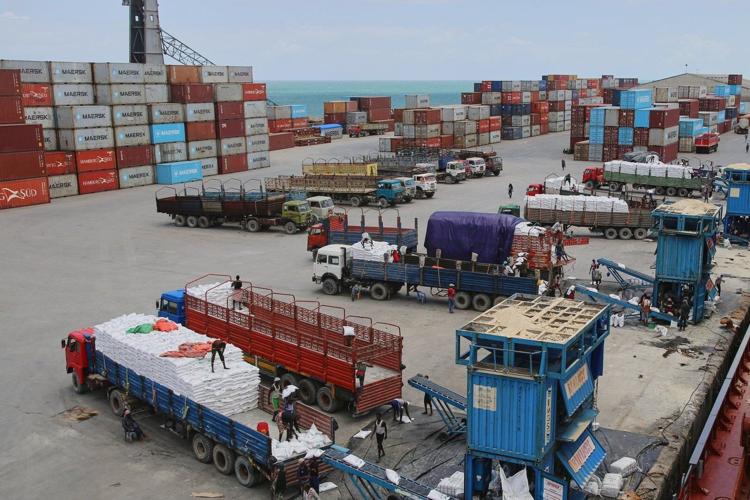
Somali businesses are increasingly looking for alternative trade routes and shipping options as security disruptions linked to the Houthi conflict threaten established maritime channels through the Red Sea and Gulf of Aden.
The disruption is forcing traders and importers to reconsider long-standing supply routes that have traditionally connected Somali ports with markets and suppliers in the Gulf region. The changes could increase transportation costs and eventually affect prices for consumers.
The Bab al-Mandab Strait, a key maritime passage connecting the Red Sea with the Gulf of Aden, has become increasingly vulnerable amid escalating regional conflict. The nearby Strait of Hormuz has also faced heightened security concerns, adding further uncertainty to shipping across the wider Middle East.
For Somalia, the disruption is particularly significant because the country depends heavily on maritime trade to bring in essential goods. Businesses have traditionally relied on routes linked to Gulf-based markets, making them vulnerable to delays, higher freight costs and security-related disruptions.

Somali ports are now exploring ways to establish more direct shipping connections with other parts of the world. Recent imports from Sri Lanka, for example, demonstrate how businesses are beginning to seek alternatives to traditional supply chains.
Port officials say the adjustments are part of efforts to protect Somalia’s trade from the effects of regional instability. Mohamed Ali Nur, a director at Mogadishu’s port, said businesses are adapting to the changing security environment and exploring new options to keep goods moving.
The disruption comes as the Houthi conflict continues to affect maritime security in the region. The Iran-backed Houthi movement has previously attacked commercial vessels in the Red Sea, prompting shipping companies to alter routes and, in some cases, avoid the area altogether.
Longer shipping routes can increase fuel consumption, insurance costs and delivery times, putting additional pressure on businesses that already operate in challenging economic conditions.
For Somali consumers, prolonged disruptions could eventually translate into higher prices and shortages of imported goods, particularly if shipping costs continue to rise.
The latest developments highlight Somalia’s growing need to diversify its trade routes and strengthen its maritime infrastructure as geopolitical instability continues to reshape commercial shipping across the Red Sea and the Horn of Africa.
Swifteradio.com
