
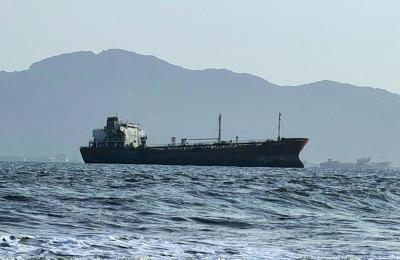
The United States has struck three Iranian crude oil tankers after Iran launched ballistic missiles toward two U.S. Navy warships, marking a significant escalation in the ongoing conflict between Washington and Tehran.
U.S. Central Command said American forces carried out the strikes on Saturday after Iran’s Islamic Revolutionary Guard Corps targeted two U.S. naval vessels. No American personnel were reported injured in the missile attacks.
According to U.S. officials, the targeted tankers were linked to a covert network allegedly supporting Iran’s Revolutionary Guard. Two vessels were permanently disabled, while another was destroyed, according to the U.S. military.
The attacks come amid renewed hostilities between the United States and Iran and further raise concerns about the security of commercial shipping and global energy supplies.

One of the tankers was struck near Kharg Island, a strategically important Iranian oil terminal. The location highlights the potential economic consequences of the escalating military confrontation, particularly for the international oil market and shipping through the region.
Iran has condemned the U.S. strikes and warned that continued attacks on its vessels could trigger further retaliation. The confrontation also adds to concerns surrounding the Strait of Hormuz, a critical global shipping route for crude oil and natural gas.
The latest exchange reflects an increasingly direct cycle of retaliation. Iran has targeted maritime and military interests, while the United States has responded with strikes intended to weaken Iran’s military and economic capabilities.
The escalation comes after periods of diplomatic uncertainty and stalled efforts to address Iran’s nuclear program. With military operations now affecting oil transportation, international markets and regional security, fears of a wider conflict remain high.
The United States has warned that further attacks on American forces could bring additional consequences, while Iran’s leadership continues to signal that it will respond to what it considers acts of aggression.
The latest strikes therefore represent more than another exchange of fire between the two countries. They place Iran’s oil infrastructure, regional shipping and the broader Middle East security situation under renewed pressure.
Swifteradio.com
