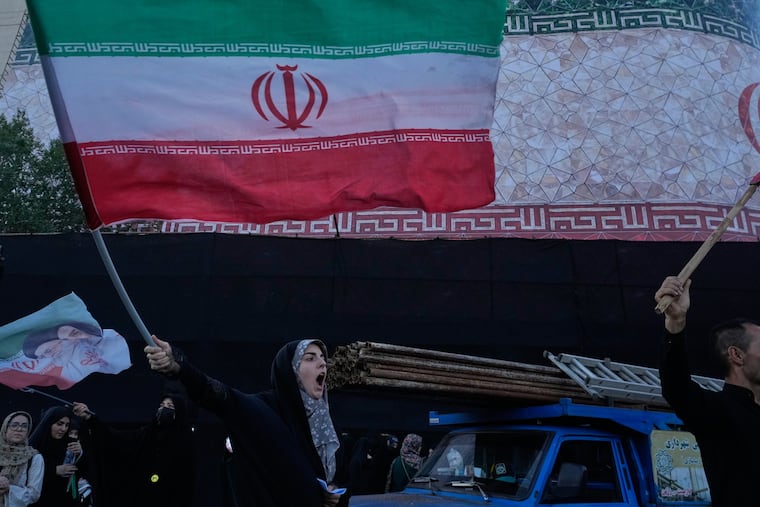
The United States and Iran have reached a tentative agreement aimed at ending months of conflict and reopening the strategically vital Strait of Hormuz, offering a glimmer of hope for regional stability and relief to global energy markets. However, significant obstacles remain before the framework can evolve into a lasting peace accord.
According to officials familiar with the negotiations, the preliminary agreement would extend the current ceasefire and pave the way for broader diplomatic talks focused on ending hostilities and addressing longstanding disputes between the two countries. The proposed deal is expected to be formally signed in Geneva later this week.
One of the most significant aspects of the agreement involves reopening the Strait of Hormuz, one of the world’s most important shipping routes through which nearly one-fifth of global oil and liquefied natural gas supplies pass. The closure of the waterway during the conflict contributed to soaring energy prices and disruptions in international trade.
The announcement has already had an impact on financial markets, with oil prices falling sharply amid optimism that energy supplies could soon normalize. Investors welcomed the development, viewing it as a potential turning point in a conflict that has rattled economies worldwide.

Despite the breakthrough, negotiators acknowledge that several critical issues remain unresolved.
Among the biggest challenges is the future of Iran’s nuclear program. Under the tentative arrangement, both sides are expected to engage in a 60-day negotiation period to determine the fate of Iran’s enriched uranium stockpile and establish a framework for long-term nuclear oversight.
Regional tensions also continue to threaten the fragile agreement. Iran has insisted that any comprehensive peace arrangement must address ongoing military operations involving Israel and Hezbollah in Lebanon. Meanwhile, Israeli officials have reportedly maintained that they reserve the right to continue military actions they consider necessary for national security.
Diplomatic sources say mediators from countries including Pakistan and Qatar played a crucial role in facilitating dialogue between Washington and Tehran, helping bridge differences after multiple previous attempts at securing a deal failed.
International leaders have cautiously welcomed the tentative agreement, describing it as an important first step toward de-escalation while warning that implementation will require sustained commitment from all parties involved.
Analysts note that even if the Strait of Hormuz reopens immediately, a full return to pre-conflict shipping volumes may take time due to infrastructure repairs, security concerns, and the need to restore confidence among global shipping operators.
The deal also faces political challenges domestically, with hardliners in both countries likely to scrutinize any concessions made during negotiations.
For now, the agreement represents the most significant diplomatic progress since the conflict began, offering hope that dialogue may succeed where military confrontation has failed.
Whether the tentative framework develops into a comprehensive peace deal remains uncertain, but its success could reshape the geopolitical landscape of the Middle East and provide much-needed stability to global energy markets.
Swifteradio.com
