
Israel says its military has killed a newly appointed Hamas military leader during operations in Gaza Strip, as fighting in the region continues to intensify.
According to Israeli officials, the targeted commander was a senior figure within Hamas and had recently assumed a key leadership role in the group’s military operations.
The Israeli military stated that the strike was part of ongoing efforts to weaken Hamas command structures and reduce the group’s operational capabilities in Gaza.
Authorities said intelligence and military coordination were used to identify and target the individual during operations in the territory.

Hamas had not immediately issued a detailed response confirming or denying the reported death at the time of the announcement.
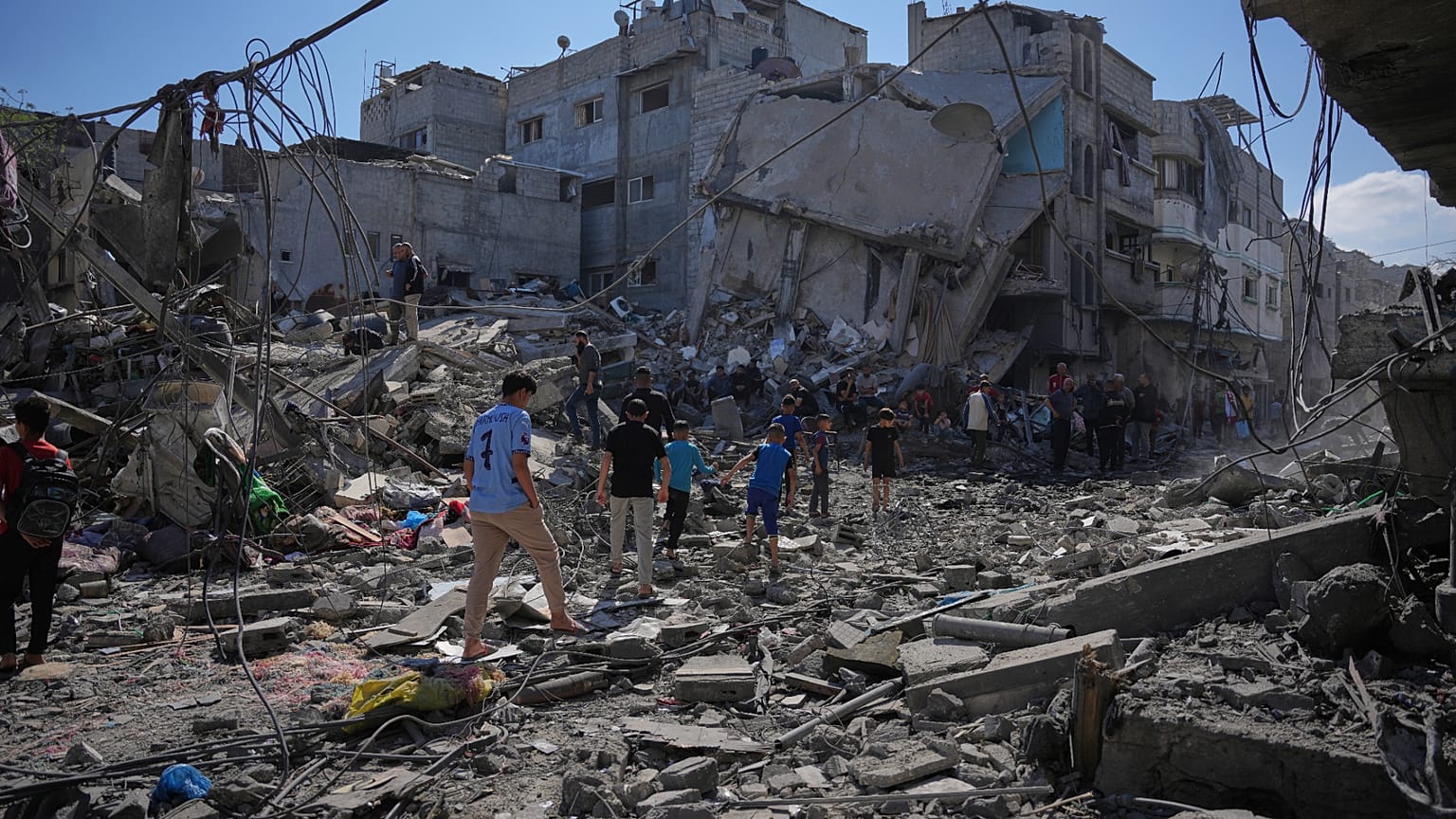
The conflict between Israel and Hamas has continued to generate widespread destruction and humanitarian concerns across Gaza, with ongoing military operations, airstrikes, and clashes affecting civilians and infrastructure.
International leaders and humanitarian organizations have repeatedly called for ceasefire negotiations, humanitarian access, and efforts to protect civilian lives amid the prolonged conflict.
Military analysts say the killing of senior militant leaders can significantly impact operational planning and internal command dynamics within armed groups.
At the same time, experts caution that targeted strikes often increase tensions and can lead to retaliatory actions or further escalation.
The situation in Gaza Strip remains highly volatile as Israeli forces continue operations and humanitarian conditions worsen for many residents.
The war has also intensified diplomatic tensions across the Middle East and prompted international debate over security, civilian protection, and long-term political solutions.
Officials in Israel maintain that military operations are aimed at dismantling Hamas infrastructure and preventing future attacks.
Meanwhile, aid agencies continue warning about shortages of food, medical supplies, shelter, and essential services in Gaza due to the ongoing conflict.
Global powers remain engaged in diplomatic discussions aimed at reducing violence and securing broader regional stability.
Further developments are expected as military operations and international mediation efforts continue in the region.
Swifteradio.com
