
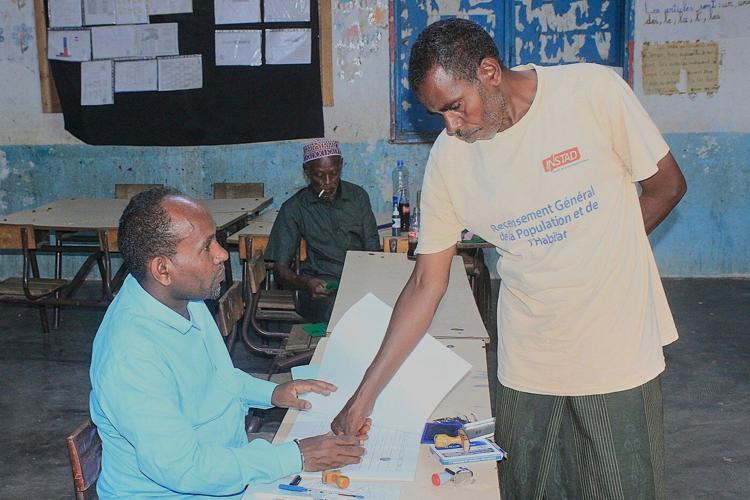
The East African nation of Djibouti is heading to the polls in a closely watched presidential election, with longtime leader Ismaïl Omar Guelleh widely expected to secure a sixth term in office.
Guelleh, who has been in power since 1999, remains the dominant political figure in the small but strategically significant country, which sits along one of the world’s busiest shipping routes near the Red Sea.
A Vote Under the Spotlight
The election has drawn international attention, with observers closely monitoring the process amid concerns over political competition and democratic transparency. Opposition voices have raised questions about the fairness of the electoral environment, citing limited space for dissent and restricted political participation.

Despite these concerns, authorities in Djibouti have maintained that the election is being conducted in accordance with national laws and democratic standards.
Guelleh’s Longstanding Grip on Power
Ismaïl Omar Guelleh has overseen decades of relative stability in Djibouti, positioning the country as a key hub for international military bases and global trade. His administration has emphasized economic development and strategic partnerships with major world powers.
However, critics argue that his extended rule reflects a broader pattern of entrenched leadership in parts of Africa, where constitutional changes and political dominance can limit electoral competition.
Strategic Importance of Djibouti
Djibouti’s geopolitical relevance adds further weight to the election. The country hosts military bases from several global powers and plays a critical role in maritime security and international trade.
Its location near the Bab el-Mandeb Strait makes it a vital point for global shipping, linking the Red Sea to the Gulf of Aden.
Opposition and Public Sentiment
While opposition groups have attempted to challenge the incumbent, their impact has been limited. Analysts suggest that a combination of political structure, resource imbalance, and restricted campaigning opportunities has made it difficult to mount a serious challenge.
Public sentiment appears mixed, with some citizens crediting the government for stability and development, while others call for political reform and greater inclusivity.
What Comes Next?
If re-elected, Guelleh’s sixth term would further solidify his position as one of Africa’s longest-serving leaders. The outcome may also shape Djibouti’s political trajectory and its relationships with international partners.
Conclusion
As voters cast their ballots in Djibouti, the election represents both continuity and controversy. With Ismaïl Omar Guelleh strongly favored, attention will remain on the credibility of the process and the broader implications for governance in the region.
Swifteradio.com
